
What Is A Basic Keto Diet?: Key Principles and Benefits
A keto diet can be pretty overwhelming to follow at the outset, but knowing the basics can make it a lot easier. The ketogenic diet, or keto, aims to change the way your body fuels itself. By largely cutting down on carb intake and ramping up the amount of good fats you consume, your body enters a state of ketosis.
Ketosis is the name of the game in keto. In that state, your body becomes incredibly efficient at burning fat for energy. It also sends fat into the liver, where it’s converted to ketones, which can power the brain. This this can promote fat loss by switching the body from using glucose to fat for energy.
Essential Rules of Keto Diet
There are some important things to know when getting started with the keto diet:
- Low Carb: This plan revolves around your daily carb intake. For most people that means fewer than 20 to 50 grams of carbohydrates per day.
- High Fat: Because of the low carb, high fat ratio you will be eating lots of fats. Target fats to account for about 70-80% of your total calories ingested in a day.
- Moderate Protein: You want to get about 20-25% of your calories from protein. It’s also essential not to over-do the protein, because too much can create glucose and interfere with ketosis.
- Emphasize Whole Foods: These are all the best choice of course. Focus on eating whole foods. The most important types of food you should eat are green vegetables, avocados, nuts and seeds (not too much, preferably soaked or sprouted), and healthy fats.
Benefits of a Keto Diet
There are many perks of going on a keto diet. These benefits will fluctuate from person to person, but here are some of them:
- Weight loss: Most people lose weight very quickly on the keto diet, mainly in the first weeks. Now the body is draining its stores of glycogen.
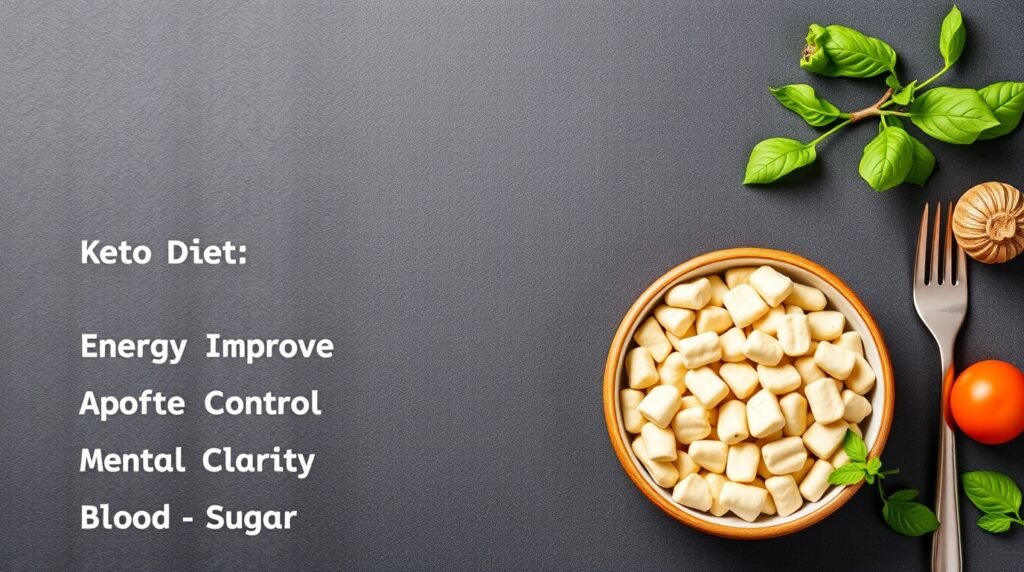
- Improved Energy: When you become fat-adapted, it’s not uncommon to feel more energized and free from those carb highs and lows.
- Decreased Appetite: When you consume more fat and protein, you are satiated for longer and eat less food overall to avoid snacking or cravings.
- Improved Mental Clarity: You will also experience improved focus and energy, as ketones are a better fuel for your brain.
- Blood Sugar: Keto may help control blood sugar levels, which is also likely to benefit diabetes or insulin resistance.
The Keto Diet For Beginners
If you want to give this diet a try, here are your initial steps to follow:
- Meal Plan: Design a low carb, keto meal plan with keto friendly meals. This will make shopping and cooking easier.
- Keep Track of Your Macros: Use apps or keep a food diary to make sure you stay within a proper ratio of carbs, fat and protein.
- Keep Hydrated: Make sure to drink water. A keto diet can cause you to shed water weight, so ensure that you are staying hydrated.
- Remain Conditioned for Adaptation: You might feel initial side effects (the “keto flu”). Common symptoms like fatigue and irritability are typical as your body adapts; this generally resolves itself in about a week.
Remember, everyone’s body is different. You should also pay attention to your body and adjust accordingly. Since all of the diet plans involve major lifestyle changes for multiple days, you should consult with a healthcare provider before beginning any new diet. Knowing the ins and outs of keto can make it easier to adopt a healthier way of life!
Essential Foods to Include in Your Basic Keto Diet Plan
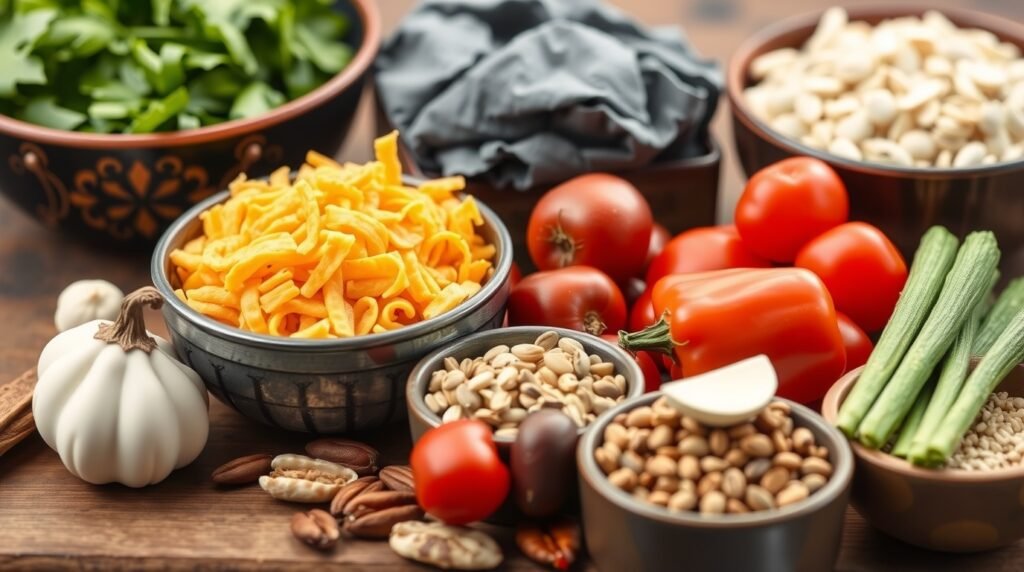
The traditional keto diet is a low-carbohydrate, high-fat eating plan that turns your metabolism into a fat-burning machine. In order to adhere to this diet, you do need eat a variety of nutrient rich foods. Here are some key items to add that will help you stay satisfied, on track, and working toward your keto goals.
Healthy Fats
The backbone of the keto diet is fats. They should comprise roughly 70-75% of your daily calorie consumption. A few different types of fat are key for a healthy body: Here’s where healthy fats come in:
- Avocados: Butter-soft and high in monounsaturated fats, avocados are also incredibly fibrous and potassium-packed so it’s the perfect threesome of staples to have while on keto.
- Coconut Oil: This oil is full of medium-chain triglycerides (MCTs) that your body burns for energy. It’s wonderful for cooking and to throw into smoothies.
- Olive Oil: Heart-healthy olive oil is great to use for dressings and to drizzle on your vegetables.
- Butter & Ghee These are calorically dense and high in fat, great for cooking or layering on low-carb bread replacements.
- Fatty Fish: Salmon, mackerel, sardines These contain high levels of the omega-3 fatty acids as well as other nutrients.
Low-Carb Vegetables
Most vegetables have carbs, but in varying amounts and do contain a variety of vitamins and minerals:
- Leafy Greens: Spinach, kale, and arugula work great in wraps! They’re low calorie and nutrient dense.
- Cabbage: Use it in salads, stir-fries or as a pasta replacement.
- Broccoli and Cauliflower: Cruciferous vegetables as low-carb side dishes or inspiration for meals.
- Zucchini: Zoodle, everyone’s favorite keto-friendly pasta alternative is a fitting addition to any Keto meal.
- Bell Peppers: Bright and crunchy, they add a satisfying texture and lots of vitamins.
Protein Sources
Picking the right protein sources is key to keep up muscle while on a keto diet:
- Meat: Be it beef, pork, chicken or turkey they make really good protein source. Choose grass-fed or organic options if available.
- Eggs: It is loading and retains the necessary nutrients you need, eggs are great for breakfast or snack.
- Dairy: Full-fat cheese, yogurt and heavy cream can provide flavor and healthy fats to your dishes.
- Tofu and Tempeh: For anyone who prefers their proteins plant-based, tofu, tempeh are low in carbs and high in protein.
- Seafood: Fish and shellfish offer a source of high-quality protein, as well as nutrients like omega-3s that can be beneficial.
Nuts and Seeds
Nuts and seeds are not only tasty, nutrient-dense snacks but also sources of healthy fats:
- Almonds: Snack on them or toss into smoothies.
- Walnuts: These nuts are rich in omega-3 fatty acids and make a great addition for crunching up salads.
- Chia Seeds: Throw these tiny seeds in pudding or smoothies, they’re full of fiber.
- Flaxseeds: Ground flaxseeds are a great source of fiber and omega-3s, and can be easily blended into meals.
- Pumpkin Seeds: These are packed with magnesium and zinc, eat them raw or roasted.
Condiments and Seasonings
If savory is more your thing, don’t forget about adding seasonings to your meals:
- Mustard: A low-carb condiment that adds a punch to salads or sandwiches.
- Mayonnaise: Opt for full-fat mayonnaises to add creaminess to all sorts of dishes.
- Soy Sauce or Tamari: Use these sparingly to season stir-fries and marinades.
- Herbs and Spices: Basil, oregano, paprika and garlic are natural flavor enhancers that don’t load on the carbs.
So long as you can base your diet around these must-eat items, you should be eating to nourish yourself rather than just for taste. Remember portion control and being mindful of what you are eating, is key to staying within your carb limit, and having long term success on keto.
Common Errors When To Avoid Starting a Keto Diet
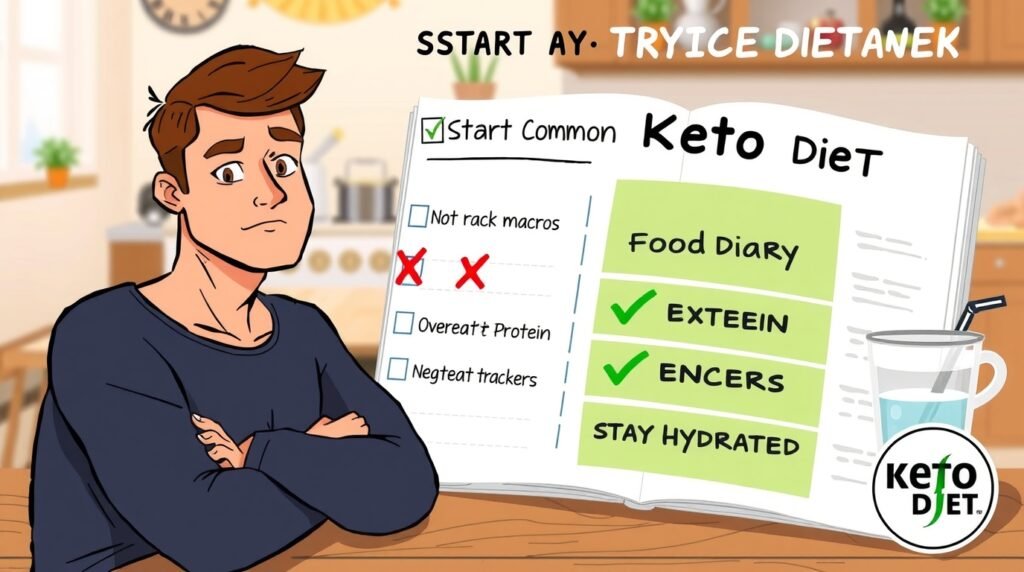
Adopting a keto lifestyle can be an exciting experience, but it’s not without its challenges. To make this journey a little easier on you, here are 5 mistakes to avoid. By knowing these traps, you are more likely to succeed in your health and wellness goals.
Misunderstanding What The Keto Diet Is One of the biggest mistakes newcomers make is not knowing what the keto diet involves. The keto diet is a way to significantly decrease the amount of carbs you consume, and instead get energy from healthy fats. Many mistakenly think they can snap their carbohydrate intake by removing them and then not adding the correct types of fats back in. Remember, it’s also key to concentrate on fats from the likes of olive oil, avocados and nuts and seeds rather than unhealthy sources.
Another mistake is not realizing how critical hydration is. When you transition to a keto diet, your body has changes that usually cause dehydration. The body lets go of it’s held water when carbohydrate intake is minimized. Just remember to drink plenty of water, and consider adding electrolytes along the way to help you with the transition. Half your body weight in ounces of water per day is a good rule of thumb for most people.
It’s important to track your macros, but this is the first place beginners tend to become overwhelmed. Macros, or macronutrients as they’re better known, are the fats, proteins and carbohydrates you eat. Without tracking properly, you could eat way too many carbs or too much fat. There are lots of apps that can help you stay on track with your macro goals by helping you understand how much of each you should be consuming to maintain ketosis.
When starting keto, keep an eye out for signs of ‘keto flu’ which can be fatigue, headaches or irritability. These are normal and most often happen in the first week as your body is adjusting. Se couldn’t help as well but emphasize, to alleviate these symptoms make sure you eat enough sodium, potassium and magnesium. bone broth can be a great tool to increase electrolytes and alleviate keto flu symptoms.
- Whole Foods, Whole Foods, Whole Foods: There are a bunch of processed “keto” foods that beginners often eat and then complain they aren’t in ketosis. Still, it’s important for nutrition and health reasons to opt for whole, unprocessed foods.
- Don’t Overeat Protein: You obviously need protein but if you consume too much it can prevent you from entering ketosis. Instead of loading up on protein, seek out moderate levels and focus instead on healthy fats.
- Ignoring Fiber: Stock up on vegetables high in fiber, as well as low-carb options that aid with digestion and keep you fuller longer.
- Meal Prep is Just Not for You – Meal prepping can increase your changes of success. If you’re going to set yourself up for success, take the time to preplan and batch cook your food choices so there is no temptation.
- Putting High Expectations on Ourselves: Realize each person’s body has a different reaction to diet. And be reasonable in your own expectations and patient with yourself as you adjust.
Another mistake is skipping meals. Although intermittent fasting may be a good practice for some, it’s not suitable for everyone. Listening to your body is essential. If you’re hungry, eat. Picking keto-approved snacks can help keep you fuller for longer and avoid overeating later.
Finally, it’s easy to neglect mindfulness when we’re making diet changes. Eating while you’re distracted could lead to eating out, of control. Practice eating slowly and with awareness, chewing well and savouring the flavours and textures of food. Not only does this help with digestion, but it also limits overeating.
Dairy — Newbies tend to rely on dairy when they first start keto. Cheese, cream and other dairy can fit into a keto lifestyle, but they might not sit well with everyone’s digestive system. Be mindful of how your body is reacting to dairy, and make changes to your consumption as necessary. There may be alternatives, such as nut milks or coconut yogurt.
And do not discount the need for support. Whether it’s through a local meet-up or online community, finding like-minded people on the same track can motivate and keep you accountable. Being able to share experiences and tips can make the keto journey more fun and less lonely.
By steering clear of these pitfalls, you’ll start your keto journey off on the right foot. Enjoy the journey, do your research and don’t forget to be kind to yourself as you adopt this new way of life. It may take while to get there, but consistency is key and you can’t do it if your determined and with the right guidance.
How to Master Meal Planning on a Keto Diet For Beginners
Jumping into the keto diet can feel intimidating, especially for newcomers. A big key to sticking to this way of eating is to plan meals and cook your food. Meal planning can help you stick to your diet, save time and even make sure that you are eating the right foods for the month. Here are some tips and tricks to help you get started with meal planning on keto.
Understand the Basics of Keto
But before you jump right into meal planning, it’s important to learn the basics of how the ketogenic diet works. You’ll be reducing your consumption of carbohydrates and increasing your fats on a keto diet. Roughly your macronutrient intake should be:
- 70-75% fats
- 20-25% protein
- 5-10% carbohydrates
It’s this change in macronutrients that is responsible for putting your body into ketosis, where it burns fat (instead of carbohydrates) for energy.
Plan Your Meals Ahead
If you’re going to be successful eating keto, meal planning is everything. Spend time each week planning meals. Here is how you can do that:
- Choose Your Recipes: Find keto-friendly recipes with different proteins and healthy fats. Strive for at least five dinners, and a couple of breakfast/ lunch options.
- Create a Shopping List: With your recipes in hand, write down the ingredients you’ll need. Shop your pantry so you don’t purchase duplicates.
- Shop Smart: Stay on the perimeter of the grocery store, where fresh produce, meats and dairy are typically found. Surrender to the aisles of grain and sugar.
Prep in Batches
Preparing these in a batch can save time and help you stay on track with your meal planning. This is what you can do to successfully prepare your meals:
- Cook in batches: Cook a bulk of proteins like chicken, beef or fish. You can divide these for multiple servings.
- Chop and Store Vegetables: Use pre-chopped bell peppers, broccoli or zucchini. Keep them in airtight containers in your fridge for quick use.
- Make Grab-and-Go Snacks: Portion ready-to-eat keto snacks, like boiled eggs, cheese cubes or mixed nuts so there is always something to grab when you feel a craving come on between meals.
Utilize Freezer-Friendly Meals
Freezing meals in advance is a great way to ensure you have an easy meal on busy days. There are a few keto meals that freeze beautifully too. Consider:
- Soups and Stews: Prepare a big pot of keto-friendly soup or stew and portion it out to freeze.
- Casseroles: Transportable casseroles to make now (during prep time) and bake later. They reheat nicely after a stint in the freezer.
- Meatballs: Make a bunch of keto meatballs and freeze them. They’re perfect for reheating and serving with pasta sauce when you don’t want to cook.
Stay Organized
Staying organized with your meals in the refrigerator can promote better choices when you’re hungry. Try these tips:
- Label Containers: Label the meal containers with the name of the meal as well as the date. It’s something that eliminates any confusion about what to eat.
- Organized by Meals: Keep breakfast, lunch and dinner separate so you can just grab the items.
Incorporate Variety
Nothing makes you tire of dinner like the same meal all week. To keep your food life interesting, variation is key to meal planning. Week in and week out, one way to do that is by rotating different proteins, vegetables and fats. Experiment with new recipes to prevent yourself from getting bored, which will help keep you motivated.
Being adaptable is key. It can be a bit of an off the wall kind of week, so don’t forget there’s always room to switch something out if something unusual happens. Keep in mind, at the end of the day it’s all about a healthy and pleasurable keto life.
Use these planning and prep tips to get you started on your keto journey for long-term success. Have fun with it and feel free to make changes as you figure out what works for you!
Monitoring your success: How to measure your success on simple keto
The process of following a simple keto diet for beginners shouldn’t seem monotonous and you shouldn’t have to break the bank, but tracking your progress is essential when it comes to sticking with any eating plan and staying accountable. A lot of folks instigate the ketogenic way of life for weight-loss or higher energy, while others do it to boost overall health and well-being. At least there are things that tell you are moving in the right direction – even if it is super slow, slow motion. Here are some effective ways to monitor your progress on a standard keto diet.
Understanding Ketosis
Before I get into specific tactics, it’s important to understand what ketosis is. Ketosis happens when your body doesn’t have enough glucose from carbohydrates and instead runs on fat for fuel. This metabolic condition may help you burn body fat and lose weight. Knowing when your body enters ketosis, however, can be an important marker for how you are doing.
Methods to Measure Ketosis
There are a few ways you can tell if you’re in ketosis:
- Best Urine Test Strips: These strips determine whether or not you have ketones in your urine. They are inexpensive, simple and easy to use, and many novices prefer them.
- Blood Ketone Meters: This is the method where you prick your finger and test for ketones in your blood. It’s more accurate than urine strips but also has a higher cost.
- Breath Ketone Analyzers: These devices read the acetone in your breath. Less popular than the other two methods, but a non-invasive way to monitor ketosis.
Track Your Weight Loss
When you are following a ketogenic diet, weight is something for which many people keep track. If you step on the scale consistently, you can get a true sense of your weight loss process. But there are a couple of things to keep in mind:
- Keep the same time each day to weigh yourself in order to maintain consistency.
- Maybe weigh yourself once a week, rather than everyday so you don’t get all discouraged and shit when you’re heavier.
- Keep in mind that muscle gain or water retention may influence your weight, so pay more attention to overall trends than morning-to-morning figures.
Monitoring Body Measurements
Keep track of your physical changes: There is nothing more satisfying than to see yourself losing weight and see the results using a tape measure or body dimensions calculation. Instead of limiting yourself to the scale, try:
- Waist circumference
- Hip circumference
- Thigh and arm measurements
Noticing these measurements every two weeks can show progress that the scale won’t, especially if you’re shedding fat but gaining muscle.
Keeping a Food Journal
Writing down what you consume is a powerful way to maintain accountability and consciousness around foods that you choose to eat. You can do this through a food diary where you can:
- Monitor your carb intake closely to stay within your daily limit.
- Search for trends in your diet that could be sabotaging your results.
- Think about which foods make you feel good, and consider using those feelings as a guide to future dietary decisions.
There are plenty of apps that allow you to log your food and macros, which will help guide this process.
Pay Attention to How You Feel
Your body doesn’t lie – use it as your point of reference. Be on the lookout for:
- Energy levels
- Sleep quality
- Cravings and hunger
More energy or less cravings could mean that you’re adjusting just fine, even if the scale isn’t moving quite as quickly as you’d hoped.
Setting Goals and Milestones
Setting yourself goals that are easily achievable is a great way to keep focused. Set both short-term (e.g. lose x amount of weight, fit into a size y) and long-term goals. Monitor your progress towards these goals on a regular basis to keep you motivated.
Measuring progress on a basic keto diet involves a combination of science and observation. Whether you prefer to measure your ketone levels, weigh yourself, take measurements, write down everything you eat or drink on a daily basis and how it made you feel – any method will keep you in check with your lifestyle changes. Acknowledge the small victories along the way and stay focused on your goal—living a healthy life through this high-fat lifestyle.
Conclusion
Beginning a simple keto diet can lead to numerous benefits, including better health and weight control. Once you learn these core principles for following a low-carbohydrate, high-fat diet, you can reap the benefits like increased energy and improved fat loss. a few key ingredients such as healthy fats, proteins and vegetables low in carbs – a delicious and nourishing diet that maintains your body straight up!
As you begin your keto journey, consider these pitfalls. Avoiding errors (like eating hidden sugars or falling short on your daily macronutrient targets) can impact potential success. Staying on track is a matter of planning, and preparing meals also owing to the amount of time you actually have. With some foresight, you can make your week a breeze and a pleasure to feed yourself instead of making it hard.
Keeping track of your progress will also help you stay motivated on your way. You’ll find that doing so will help you see how your body responds to the diet, as well as easily identify if there are foods you’re sensitive to. Everyone’s body is different; be patient with yourself and adapt as necessary to find what works best for you.
A standard keto diet isn’t just used as a weight-loss tool; it’s also considered to be a lifestyle change that provides long term benefits. Stay informed, be graceful with yourself and enjoy the exploration of new foods and recipes. With dedication and the perfect attitude, you can flourish on your keto adventure and revel in its numerous benefits.
1 thought on “What Is a Basic Keto Diet? Simple Guide for Beginners”