

What Foods Are Avoided in the Nordic Diet : A List of Restrictions
The Nordic diet, which is modelled off the traditional dietary patterns of those in Scandinavian countries, focuses on eating fresh and natural food while promoting an eco-friendly lifestyle. But it also comes with specific foods you should steer clear of. Once you know these foods that are not part of the Nordic diet, you can embrace its health benefits even more fully. Here are some of the major categories to consider.
Processed Foods
Processed foods are kept to an absolute minimum in the Nordic diet. Such foods tend to be high in sugar, bad fats and synthetic additives that are damaging to health. Examples include:
- Chips and snack foods
- Pre-packaged meals
- Sugary breakfast cereals
With whole, unprocessed foods you get the vital nutrients without any empty calories.
Sugary Beverages
Nordics have no need for sugary drinks. Soda, energy drinks and sweetened coffee can contribute to weight gain and other health problems. Instead, opt for:
- Water
- Herbal teas
- Sparkling water with lemon
Not only do these hydrating swaps satisfy your thirst, they’re actually good for you.
Refined Grains
Another group to limit is refined grains. White bread, pastries and traditional pasta have been processed so much the nutrients are long gone. They can cause your blood sugar to spike, and you end up crashing. Instead, consider incorporating:
- Whole grains, such as rye, barley and oats
- Quinoa as a protein-rich alternative
- Buckwheat for a gluten-free option
These grains are high in fiber, which helps keep you satisfied longer.
High-Fat Dairy Products
Dairy is a cornerstone of Nordic cuisine, but not all dairy is made equal. It’s best to stay away from the high-fat varieties — cream, butter. Instead, opt for:
- Low-fat yogurt
- Cottage cheese
- Skimmed or low-fat milk
These options still offer calcium and probiotics without the additional saturated fats that could be a risk factor to health.
Red and Processed Meats
Although the Nordic diet promotes eating fish and poultry in moderation, it recommends eating less red meat and not eating processed meats. Processed meats, sausages and fatty beef can harm the heart. Instead, choose:
- When you eat, choose lean cuts of meat
- Fish, especially oily fish high in omega-3s like salmon and mackerel
- Fowl, such as chicken and turkey
This can mean a healthier fat balance in the fats you consume.
Trans Fats and Refined Oils
It’s important to avoid trans fats, which are present in margarine and many different types of baked items. Eating trans fats can increase bad cholesterol and decrease good cholesterol. Instead, opt for healthy cooking oils such as:
- Olive oil
- Rapeseed oil (canola oil)
- Flaxseed oil
These selections not only protect your heart, but they also add taste to the foods you eat.
Highly Processed Snacks
The range of snacks on offer is an important part of any diet, but with the Nordic diet highly processed snack foods are out of bounds. Foods such as sweet granola bars, candy and baked goods include high levels of sugar and bad fats. Embrace healthier alternatives like:
- Fruits and nuts
- Vegetable sticks with hummus
- Oat and seed homemade energy balls
These options are healthy, satisfying and follow the principles of Nordic food
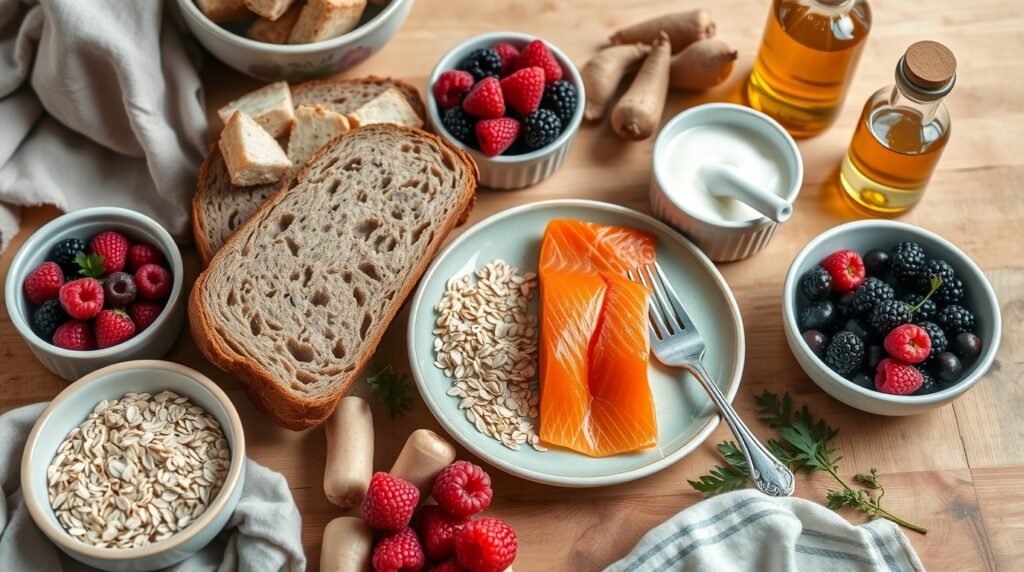
You can improve your diet and health by considering the foods to avoid in the Nordic diet. Adapting to this middle ground not only helps you live a healthier life, but also reinforces local sustainability and seasonal ingredients, which are central elements of the Nordic culinary philosophy.
The Health Benefits of a Nordic Diet
It’s nutritional quality will hardly stir further debate, especially considering the Nordic diet which it contains has a wide variety of health benefits that make it rather appealing to those concerned about their health and well-being. Its focus is on the cuisine of some of the Nordic countries -Denmark, Sweden, Norway and Finland among them. Packed with whole foods and nutrients, this lifestyle can help improve your health in the most delicious and satisfying.
One of the most impressive features of the Nordic diet is its focus on whole grains. Rye and barley are the basic grains, with oats also being common. Whole grains are rich in fiber, a nutrient that is necessary for good digestive health. This aids in blood sugar control and keeps you satisfied longer, decreasing the chance you’ll overeat. these grains in your meals can also give you vital vitamins and minerals, such as B vitamins and iron.
A second important ingredient is plenty of fruits and vegetables, especially those in season and grown locally. Nordic diets are typically rich in root vegetables, berries and cabbages. Not only are these foods low in calories, but they also pack a punch when it comes to nutrients – so they’re an excellent way to aid weight management. Berries like lingonberries and cloudberries, for example, are loaded with antioxidants that can protect against oxidative stress and reduce the risk of chronic diseases.
In addition to the plant-based foods, a Nordic diet promotes consuming plenty of fatty fish, such as salmon, mackerel and herring. These coldwater fish are packed with omega-3 fatty acids, which have been linked to heart health. Omega-3s can help calm inflammation, reduce blood pressure and lower the risk of heart disease. Fatty fish in your diet might protect brain health, boost cognitive function and help to avoid dementia or other types of mental illness.
Interestingly, the Nordic diet discourages red meats and processed foods. They are often loaded with unhealthy fats and high in salt and sugar, all of which can contribute to major health problems, including obesity, diabetes and heart disease. Avoiding these foods can help you maintain a healthy weight and decrease your chances of developing chronic diseases.
Also, dairy products are eaten to a limited extent in the Nordic diet. Fermented dairy products, such as yogurt and cheese, are among the usual suspects in terms of gut health-friendly probiotics. A happy gut supports better digestion and a healthier immune system, which can help you feel your best year-round.
The Nordic diet might also boost your mental health. Studies have shown that a diet of fruits, vegetables and healthy fats is associated with lower symptoms of anxiety depression. The macronutrient combination in this diet helps to regulate mood and increase energy levels so you feel fresh all day.
Here are some of the main health benefits of the Nordic diet:
- Management of Weight: The substantial fiber and high amounts of good fats provide satiety which contributes to weight management.
- Heart Health: Fatty fish is high in omega-3 fatty acids, which are known to keep your heart healthy.
- Inflammation: The flavonoids, antioxidants found in vegetables and berries can reduce the inflammation of tissues.
- Improved Digestion: Whole grains and fermented dairy feed good gut bacteria.
- Brain Power: Having a clear mind with nutrient-dense foods, along with less anxiety.
The Nordic diet has another key advantage that of sustainability. Consuming local and seasonal foods minimize the carbon footprint of food transport. Eating ethically sourced food is not only good for YOU, but also to insure a healthier planet.
Adopting the Nordic diet into your life doesn’t have to be hard. Begin slowly incorporating whole grains into your diet, for example replace white rice with barley or make sandwiches using wholegrain bread. Play with what’s fresh around you, and aim to incorporate fish into your meals a few days a week. Benefits as you transition toward this will include higher energy levels, better health overall and maybe even new pleasure in your meals.
The Nordic diet comes with many eater-friendly health perks. By opting for whole foods rather than processed, you could not only enhance your health but also discover a cuisine that’s both nutritious and packed with flavor.
Basic Nutrients You Need in the Nordic Diet
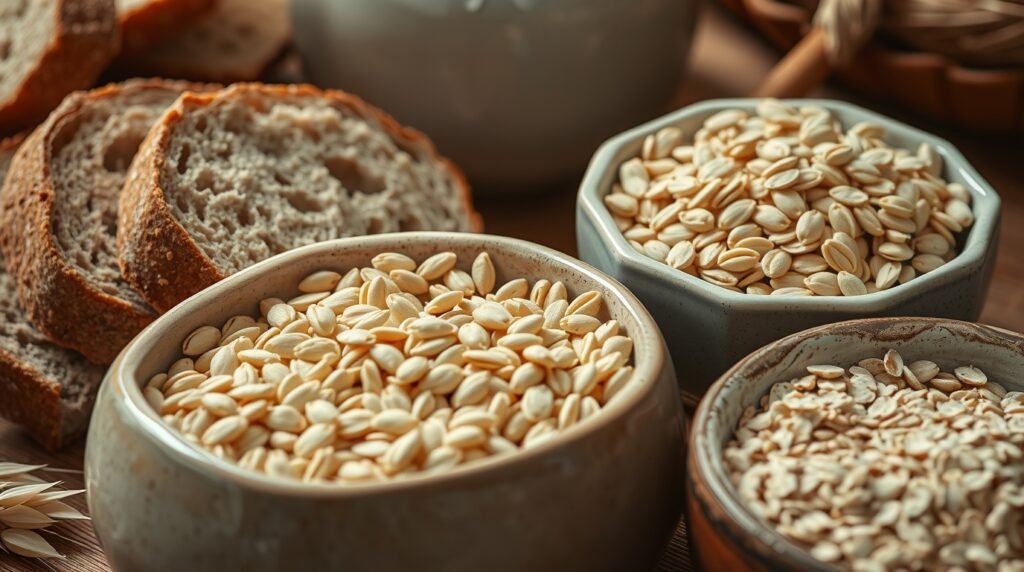
But the Nordic Diet for me conjures images of fresh, nutritious ingredients and seasonal produce. If this is a diet you’re interested in, it’s important to know the essential nutrients included. These vitamins provides more than just the essential nutrients needed for good health but may, in fact, help support a healthy lifestyle and improve overall well-being. These are the elements that you will want to include.
Whole Grains
Whole grains All whole cereals are an important part of the Nordic diet. They contain fiber, which is essential for good digestion. The following are some of the best whole grains to look for:
- Rye: Rye Bread is fiber-rich, and a standard food in Nordic countries.
- Barley: A nourishing grain that is full of vitamins and minerals.
- Oats: Not only are oats heart healthy, but they’re also phenomenal for blood sugar balance.
Fruits and Vegetables
Consider that eating a lot of different fruits and vegetables provides many nutrients to your diet. Utilize as much seasonal, local produce as possible to be sure that you get the most flavor and nutrition. Here are some key options:
- Berries: Blueberries, cranberries, and lingonberries are high in antioxidants.
- Root vegetables: Carrots, beets and turnips are rich in vitamins and can keep for a long time.
- Cruciferous vegetables: Kale, cabbage and broccoli are rich in fiber and other necessary nutrients.
Fatty Fish
Fatty fish is a great source of omega-3 fatty acids, which are important for heart and brain health. The following fish are most commonly used in Nordic cuisine:
- Salmon: High in omega-3s, vitamin D and protein.
- Sardines: This small size fish provides your daily requirement of essential fatty acid and calcium.
- Mackerel: Another fatty fish with lots of key omega-3s and vitamins.
Legumes and Nuts
Pulses and nuts are rich in proteins that are available in acceptable amounts of essential amines, fats and fiber. Here’s why you can benefit from including them in your diet if you’re hungry for a heart-wellness boost:
- Peas: A staple of the Nordic diet, peas are rich in protein and iron.
- Lentils: They are a good source of protein and fiber, as well as essential minerals.
- Walnuts: A nutritional nut packed with omega-3s.
Dairy Products
Dairy is also a key component of the Nordic diet, delivering calcium, protein and probiotics. Look for the following options:
- Yogurt: Fermented kinds tend to help your gut over all.
- Cheese: Enjoy with a selection like Scandinavian cheeses, which tend to be lower in fat.
- Milk: Provides calcium and vitamin D to help maintain healthy bones.
Herbs and Spices
In any food desire is the flavor and herbs and spices give a flavor which comes with health. Here are some of the most frequent in the Nordic diet:
- Dill: Most often used with fish, it is both a flavorful herb and an antioxidant.
- Thyme: This herb contains many vitamins and can also strengthen your immune system as well as aid digestion.
- Lingonberry jam: There are vitamins in it and it may help with digestion too, but this jam is typically served with meat dishes.
It’s about more than what you eat if you follow the Nordic diet, though: It’s also understanding which nutrients are key and why these foods offer health benefits. Add the following: Whole-grains, fruits, vegetables and proteins You now have a well-rounded nutrient dense diet that can promote better health. As always, it’s about balance, so be sure to include these things in moderation for maximum results.
Nordic Diet vs Other Popular Diets: How Do They Stack Up?
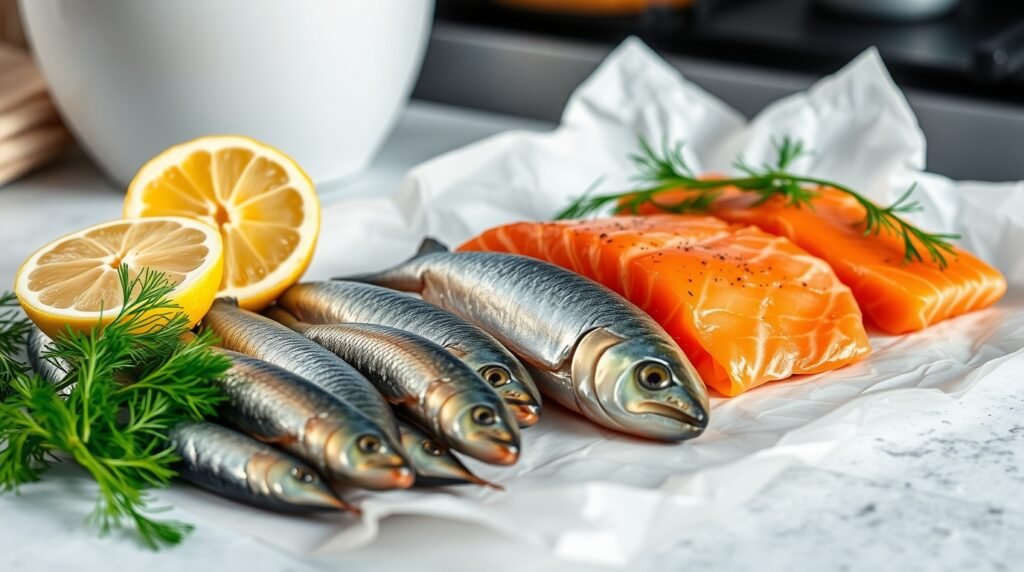
The nordic diet has taken off in recent years, particularly with people looking for a healthy and balanced way to eat. The Nordic diet focuses on local, seasonal foods as a way to inspire healthier living and sustainable eating. This practice sets it apart from more popular diets. To help explain how the Nordic diet is distinctive, let’s stack it up against other popular diets.
Fundamentals of the Nordic Diet
The Nordic diet promotes whole foods that are abundant in Northern European nations like Denmark, Finland, Iceland, Norway and Sweden. Key components include:
- Whole grains, such as rye, barley and oats
- Fresh fish, especially fatty types like salmon and mackerel
- Fresh produce from the season, like root vegetables or berries
- Low-fat dairy, such as cheese and yogurt
- Small amounts of red meat and processed foods
- Healthy fats, mostly from fish and rapeseed oil
Unlike some diets, which tend toward eliminating entire food groups, the Nordic diet is centered on moderation and balance. This also makes it well-rounded for life-long benefits.
Nutritional Advantages Over Other Diets
When compared to other trendy diets, this is what we have to say the Nordic diet gives that others don’t:
- Paleo Diet: The Paleo diet is all about high protein and low carbs, largely derived from meat and vegetables. Though it can result in weight loss, most grains and legumes are skipped over. The Nordic diet, however, does contain whole grains and legumes that are high in fiber and provide essential nutrients good for heart health and digestion.
- Keto Diet: The purpose of the keto diet is to put your body into ketosis by severely reducing carb intake. It encourages high-fat foods. This can lead to fast weight loss – but the Nordic diet also combines healthy fats with complex carbohydrates which, in turn, helps you maintain a more beneficial energy source and healthier long-term benefits.
- Mediterranean Diet: Like the Nordic diet, the Mediterranean diet encourages whole foods and healthy fats. But its reliance on olive oil is heavier, and it takes less from Nordic cuisine’s specific regional ingredients. The Nordic diet includes more local fish and root vegetables, and fewer legumes and grains.
Environmental Impact
In addition to its health benefits, the Nordic diet is also green. It advocates for eating locally and seasonally, thereby lessening carbon-rich footprints produced from food transportation. Alternately, the typical diet among other diets, e.g., standard American diet tends to redeem on processed foods which result in more waste and release of greenhouse gases.
Sustainable: In the spirit of nature, the Nordic diet is good for both the body and the environment.
Tips for Trying the Nordic Diet
If you’re thinking about trying the Nordic diet, here are some steps to get you started:
- Make whole, unprocessed foods a priority: Try to buy fresh, locally at local markets and in season fruits.
- Play with old standards: Introduce recipes of the region that emphasize fish, whole grains and root vegetables.
- Put fermented products on the menu: Consider adding rye bread, yogurt and kefir to your diet — all staples in Nordic cuisine.
- Cut back on red meat and processed foods: Instead, emphasize plant-based proteins and fish.
- Keep active, specifically outside if possible, as is very much the cultural norm in Nordic culture.
Final Thoughts
The Nordic diet is unique in that it combines health properties, sustainability practices and local ingredients. As much as it’s the same, however, it’s also very different: a vision of eating that channels something other than ancient people around the Mediterranean.” Unlike other trendy diets, such as Paleo and Keto, the Nordic diet is all about balance with a big side of indulgence. Because of its whole foods focus, it’s a relatively healthy pick for anyone looking to make healthier choices or have more of an environmental impact.
Easy Ways to Adopt the Longevity Diet Style of Eating- The Nordic Diet And its Laxon Method
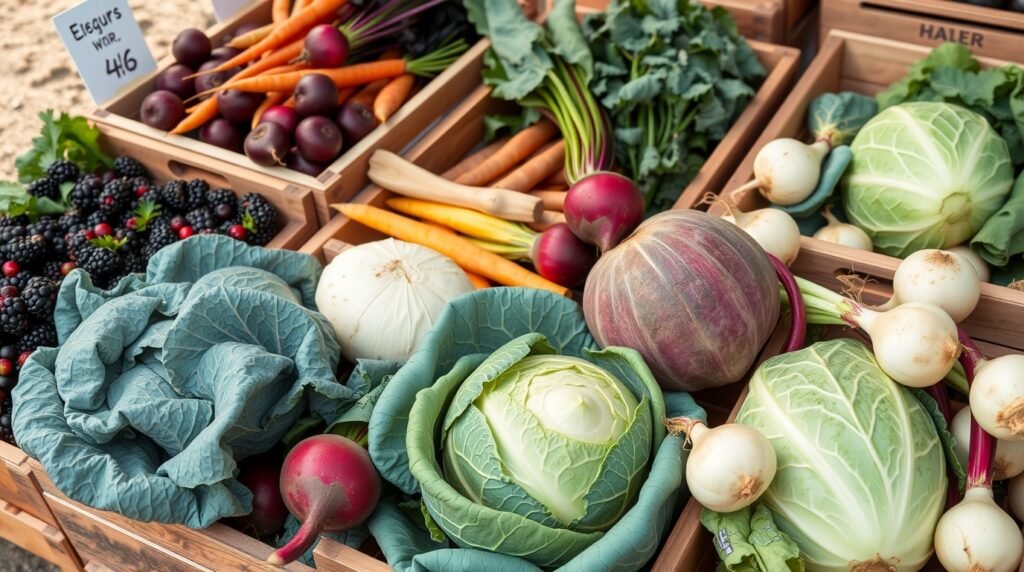
Adopting a Nordic diet lifestyle may feel daunting, but with some everyday suggestions you can make the switch in an easily sustainable way. Starting with an emphasis on whole foods that are locally sourced, especially vegetables, fish and whole grains. Here are tips on how to get started eating this healthy way.
Begin with the Building Blocks of the Nordic Diet
Before you jump in, get the lay of the land: Follow this beginner-friendly meal plan to try the Nordic Diet for yourself. This diet encourages:
- Consumption of seasonal vegetables
- Rye and barley, whole grains
- Fatty fish Fattier fish, such as salmon and mackerel
- Berries for natural sweetness
- Minimal processed foods
- Good fats mainly coming from rapeseed oil
Gradually Incorporate Nordic Foods
Transitioning One effective way to transition is easing your way with Nordic foods onto the plates of those you feed and into yours as well. Begin by swapping some of your regular staples with Nordic alternatives:
- Trade in some white bread for rye or whole grain.
- If you are cooking, use rapeseed oil instead of butter.
- Use seasonal vegetables, such as root vegetables and cabbage, in stir-fries and salads.
So, if you slowly shift your way of eating, you can better acclimate your taste buds to various ingredients.
Base Your Meals Off of What’s in Season
Buying seasonal fruit and veg not only helps local growers, it is likely to be the freshest on offer. Plan your meals based on what’s in season. For example, in summer you can savor fresh berries and cucumbers, while in fall root vegetables such as carrots and turnips are abundant. It’s as diverse in flavor and you won’t be bored with your food.
Experiment with Traditional Nordic Recipes
It can be enjoyable to explore this in traditional Nordic dishes! Try preparing dishes such as:
- Gravlax (smoked salmon) with mustard sauce.
- Rödkål is red cabbage braised with vinegar and spices.
- Oven-roasted root vegetables with herbs.
With these recipes, you can get to the soul of Nordic cuisine and enjoy the move at the same time.
Make Smart Snack Choices
Changing your diet can be tough when it comes to snacks. Rather than grabbing snacks full of salt and processed carbohydrates, consider healthier substitutes consistent with the Nordic diet:
- Apples, berries or pears — anything in season.
- Nuts and seeds for an energy burst.
- Crunchy whole grain crispbread with hummus, cheese or avocado.
Not only are these options filling, but they also help you stick to your eating plan.
Join a Group or Find support
It’s easier to adopt a new way of living with some help. The Nordic diet Local groups or online communities dedicated to the Nordic diet. The communal aspect of sharing recipes, tricks and stories can be very uplifting. If possible, get to workshops or learn to cook classes focusing Nordic food.
Focus on Mindful Eating
Conscious Eating is a big part of adopting new eating habits. As you move toward eating a Nordic Diet, connect with the flavors and textures of what you eat. Stop eating on the go, chew your food completely, and enjoy every bite. This can help you feel more tuned in to your feelings of hunger and fullness, which will ultimately enable you to make healthier choices.
Track Your Progress
You could use a food journal to monitor what you eat and how you feel when eating Nordic foods. This can help you illuminate what is working well for you and what might need some fine-tuning. Write down any new recipes that you liked, where food came from and how it affected your health. Documentation of your journey can also be inspirational as you observe it taking shape.
Switching to a Nordic diet way of living shouldn’t be something frightenting. It’s possible to ease your way into it, meal plan, and find support to help you transition into this healthy and sustainable way of eating. Just be sure to have fun and make sure you stop and pat yourself on the back every now and then!
Conclusion

Following the Nordic diet could be a journey of discovery towards healthier eating. So, by knowing which foods to avoid – like processed sugars, refined grains and heavy saturated fats – you’re halfway toward embracing a way of living that’ll better your health. This way of eating is not only excellent for your heart, useful for weight control or to reduce inflammation throughout the body, but it’s a great all-around lifestyle choice that can help you feel better.
Wholegrains, fatty fish and root vegetables as well as seasonal fruits is important to include in the diet if using the Nordic diet. These foods are healing your body while playing into the dietary limitations that will encourage better choices. As you contrast the Nordic diet with other popular diets, its focus on natural, locally produced food becomes evident leading to both sustainability and a sense of closenessɨto your food sources.
Adopting a Nordic style diet might take some getting used to, but by planning meals ahead to include more traditional Nordic recipes and using some home-grown produce from your area should be beneficial. Adopting this diet isn’t really about deprivation at all; it’s about selecting the foods that fuel your body — and that elevate your health. By making conscious choices and integrating some of the Nordic diet, you can live a balanced life that supports long-term health. Get in touch with your food, and the Nordic diet will transform how you eat for the better.