

How To Lose Weight Loss Without Exercise
So you’re trying to lose a little weight and wondering how to get started without the gym, right? A lot of people want to be able to lose weight without having to include an incredibly hard workout. Thankfully, there are a few methods you can use to help get the ball rolling on weight loss and stay healthy.
Focus on Nutrition
Your diet plays a huge part in gaining or losing weight. If you want to lose weight but dislike exercising, then read this. Its our guide on how to lose weight without exercise by simply making smart food decisions. Here are some nutritional strategies:
- Portion Control: Learn what an actual portion size looks like to keep from overeating. Use smaller plates or bowls to fool your mind into thinking you’re eating more.
- Eat More Fruits and Vegetables: They are packed with nutrients but low in calorie! They fill you up and keep you satisfied so that you don’t feel as hungry, cutting down on those snack grabs.
- Hydrate: Sufficient amount of water can help you control hunger. It can be that we are actually really thirsty but we confuse it with hunger and eat instead, which is why keeping hydrated can stop those unnecessary snacks.
- opt for Whole Grains: Whole grains will make you feel fuller than refined ones. Replace white bread and pasta with whole grain alternatives to help you feel fuller for longer.
Mindful Eating
Slowing down and eating with intention can be crucial to your weight loss. That means being mindful of both what you eat and how you eat. Here are some ways to eat more mindfully:
- Savor: Let each meal last. Eating slowly can help you to understand when you are full, which promotes smaller portions and reduces your consumption.
- Remove the Noise: Don’t eat in front of the TV or while you’re scrolling your phone. This keeps you focused on what you’re eating and when your hunger signals say, Time’s up.
- Lead of Your Body: Eat only when you’re hungry and stop when you’re full, not stuffed. Learning process That particular method will teach you the way to have a better relationship with your food.
Sleep and Stress Management
Sleep and stress are often neglected aspects of weight loss, but both can have a serious impact on your body’s ability to lose weight.
Getting enough sleep is essential. Try to achieve at least 7-9 hours of restful sleep as a general rule. Lack of sleep can also drive cravings and promote weight gain. To promote better sleep:
- Stick to a Schedule: Establish your wake-up and bedtime at a consistent hour each day.
- Cut Screen Time: Spend less time looking at screens before bed for a calming effect on your mind.
Furthermore, managing stress is crucial. Emotional eating can be caused by high-stress levels. To cope with stress, consider:
- Take Time to Relax: Perhaps meditation, deep breathing or even yoga could help lower stress levels.
- Pursue Hobbies: Take time out for those activities you enjoy to distract yourself from these stressors.
Smart Snacking
What you munch on can matter a lot when it comes to losing weight. Eating something healthy can sustain your energy and provide fuel to resist the urge of binging on junk food. Aim for:
- Healthy Choices: Choose snacks that are high in protein and fiber to help keep you full. Nuts, yogurt and fruit are good options.”
- Pre-Plan Your Snacks: Instead of eating out of a bag, pre-portion those snacks into small containers to keep from overdoing it.
Track Your Progress
Journaling can be a helpful tool for weight loss. Keep a note of what you eat, how you feel and any changes you notice. “This will not only keep you honest, but also show patterns in your eating behavior. Consider tracking:
- Your atmosphere: Writing down your meals can make you aware of what you are eating.
- Your feelings: Being aware of your feelings and how they affect what you eat can help you make healthier choices.
You can lose weight without exercising by following a healthy diet and practicing mindful eating, managing sleep and stress, choosing smart snacks, tracking your goals for success. these practices in your day to day schedule, can bring about a lifestyle that has you feeling healthier. If you are committed to the success, losing weight is not hard.
Nutrition and the Management of Body Weight

Nutrition is a fundamental factor in weight management and body composition. When you are working on successful weight control, your diet is the center of not only getting you to your weight loss goals, but also maintaining them. You might be mulling over how to eat well and make better meal choices. So let’s discuss the basics of nutrition here and how it matters in controlling weight.
The amount and the type of food you consume is a key determinant to how much energy you have and your general health. You can thank various macronutrients (carbohydrates, proteins, and fats) for that, but knowing the difference between them is an important factor in making food choices throughout the day.
Understanding Macronutrients
Your diet has a macronutrient trifecta that it needs to function optimally:
- Carbs: This is your body’s number one source of fuel. But not all carbs were created equal. Instead, prioritize whole grains and fruits and vegetables (which typically bring fiber along for the ride).
- Proteins: As muscle maintenance and growth improve fullness, bring in a supply of proteins to repair the muscles. Add in lean meats, beans and nuts to increase your protein value.
- Fats: Healthy fats, like the ones in avocados, olive oil and fish can make you feel more satiated as well as provide needed nutrients,” according to Laffite.
In order to successfully lose weight, it is important to know the rightful amount of these macronutrients. Eating a combo of complex carbs, lean protein, and good fats will keep your body metabolized without the extra calories to burn.
Portion Control
Portion Control is another important nutrition factor in weight loss. Overeating even nutrient-dense foods may result in consuming too many calories. Here are some trickier strategies to help you keep your portions in check:
- Use small plates to trick your mind into believing that less food is actually more.
- Be mindful of portions, and try to measure out servings (especially when snacking) so you don’t overeat mindlessly.
- Listen to your hunger cues. Eat slowly and step away from the table when you begin to feel satisfied.
Then, eat without distraction—say, don’t watch TV—so you can pay attention to your meal and give yourself the chance to determine if you’re satisfied.
Hydration and Weight Management
Hydration Hydration is an underlooked strategy for controlling your weight effectively. Water also helps digestions, keeps your body in good working order, and can keep your hunger at bay. And strive to sip water throughout the day, and even have a glass before meals – so you’re less likely to overeat; minimizing how many calories you consume.
And, if you are drinking sodas or any other sugar-based beverages, switching to water alone will save you hundreds of calories. This easy replacement can add up when trying to manage your weight.
Mindful Eating Practices
Consciousness with your eating habits can improve the way you think about food. The concept of mindful eating is simply paying more attention to what you eat and how you eat. Here are some things to consider doing:
- Take time to chew your food and enjoy each bite. This will make you enjoy the food more and help to make you aware when you are full.
- Don’t eat and be more mindful so that you’re listening to your body as you eat.
- Consider the taste, texture and scent of your food as an experience that could make eating all the more pleasurable.
If you learn to mindfully eat, you will not have an inclination to overeat and have a healthier relationship with food.
Meal Planning and Preparation
Meal prepping is not only conducive to making healthier food choices, but it can save you from the down falls of junk food eating. Here’s how to be successful in meal planning:
- Pick one day every week to plan your meals and snacks in healthy proportions.
- Prepare wholesome meals in batches. This method can save you time, not to mention giving you healthy choices at your fingertips.
- Have good snacks ready so that you try to avoid the poor stuff.
By planning, and putting up with some food intolerances in the beginning you can set-up an eating list that will help to manage your weight but still taste awesome.
Nutrition is key in weight control. Without counting calories or killing yourself trying to lose weight, you can fashion an eating plan that will help move the needle on those numbers (as well as look and feel better). You just need to become a little more familiar with macronutrients. A little more mindful about how much you eat at one time. And maybe jot down in your planner to drink a bit more water. Keep in mind, a few changes to your diet can make a lot of difference when it comes to improving your health.
Mindful Eating: Transforming Your Relationship with Food
It’s not just about a diet, but rather the relationship with your food — it’s understanding what you do, how you feel and who you are when it comes to the foods on your plate. Mindful eating is a philosophy that invites you to pay attention to the totality of what you consume encompassing physicality as well as emotion. You can train yourself to actually enjoy your meals and eat in a way that will help you make healthier decisions which ultimately affect your body’s composition.
Mindful eating is about being present when you eat. Instead of gobbling down lunch at your desk or in front of the TV, slow down and pay attention to your food’s flavors and texture. This practice can be transformative in terms of your feeling of fullness, and can help push you to the point of satisfaction. By taking a break, you give your body time to realize what’s going on — and listen to its hunger cues.
The following are some guiding principles to reference when you practice eating mindfully:
- Be mindful: Concentrate on what you are eating, how it tastes, smells and feels in your mouth. That way, you can relearn how to savor your food.
- No distractions: Get rid of electronic devices and background noise. I like to set up a peaceful atmosphere where I can focus on eating my meal.
- Express Gratitude: Before you eat, try to express as much gratitude as possible for the food that is going into your body. Acknowledge its origins, and the work it took to make it.
- Eat Fast: You slurp and gobble to do away with each bite. This in turn helps your body to indicate when it is full thus reducing overeating.
If you practice these components of mindful eating, you will feel a greater ‘connection’ to your food. You become aware of how specific foods affect your feelings, and can more easily recognize emotional triggers to overeating. If stress or boredom has you reaching for a snack more often than you’d like, being mindful can help you stop and think about the true source of your craving.
Emotional eating is generally driven by feelings, not hunger. One tool of mindful eating can help you tell the difference. The next time you want to eat, ask yourself a series of questions:
- Am I truly hungry?
- How do I feel now?
- Is there a better way to process this feeling?
Such introspective thinking can help us make better choices. Instead of reaching for a bag of chips when you’re stressed, perhaps you walk or do something else that brings joy.
And mindful eating also involves an appreciation for the nourishment that food gives us. Giving thanks can make you more mindful of your meal — and more enjoyment is a good thing. Keep in mind that meals honor their transformation from sun, soil and sweat to planting, to harvesting, preparation and finally – eating.
Mindful meals Another effective method to encourage mindful eating is using mindful meals. That translates to carving out time to eat without interruptions. Try to eat at least one meal a day sitting down without distractions and just let yourself enjoy the food in front of you. This strategy can be applied to snacks as well — pick one snack a day and force yourself to pay attention to what you’re eating.
Journaling also pairs really well with mindful eating. Reflect on your emotions before and after meals. Record what you ate, how it made you feel and any emotional triggers that arose for you. Using this method you can start to recognize habits and patterns with your eating.
You can also get support from others to help you learn mindful eating. The more we share meals with loved ones and friends the more opportunity we have to connect over food experiences, and emotions. This presents a social factor to solidify your awareness of the role of food in life which allows for more significant connections.
The endgame of mindful eating is forming a healthy relationship with food. It’s really about developing a modest level of awareness to make more conscious choices, in an effort toward overall well-being. As you adopt this mindset, you will probably find that mindless snack attacks decrease and purposeful eating becomes more common. This change can not only result in better eating habits, but more satisfaction and joy in your meals.
Drawing attention to food in the way you eat it can change your relationship with food. By eating intentionally and with gratitude, you create a virtuous cycle around nourishment that is better for your health — both body and soul.
The Impact of Sleep on Weight Loss

Sleep is frequently overlooked in the process of losing weight. People often recommend diet and exercise to lose weight, but your sleeping habits can be just as important. When you make rest a priority, you actually create an environment inside your body that encourages weight loss.
You’re messing with your hormones when you don’t get enough sleep, especially the ones that regulate hunger. The hunger hormone ghrelin rises when you sleep deprived. In some cases that spike can give you more cravings and a greater appetite, making it difficult to stick with your weight loss goals. Conversely, levels of leptin — the hormone that alerts the brain you’ve eaten your fill — plummet when you don’t get enough sleep. This discrepancy often leads to overeating, sabotaging your weight loss.
Poor sleep not only affects hormones, but also impacts your metabolism. Sleep is involved in controlling insulin sensitivity, a factor in fat storage. BRING ON THE SLEEP “When you’re well-rested, your body can better control blood sugar,” Cartwright says. On the other hand, if you have long-term insomnia it can cause insulin resistance and fat storage especially around your belly.
In addition, when you’re tired, it’s harder to be motivated to make the healthiest food choices or even to do any type of exercise for those who aren’t focusing on exercise and diet. When you are feeling tired the last thing you need to do is think clearly about food so some high calorie foods will enter your sack during the day, not really helping weight loss.
If you want to get the best slim-booty benefit out of your sleep, pay attention to all these tools for getting better shut-eye:
- Create a Sleep Routine: Set yourself up to go to sleep and wake at the same time each day, establishing a regular schedule for your body’s internal rhythm.
- Establish a Pre-Bedtime Routine: Do something relaxing before bed, such as reading or meditating, to let your body know it’s time to unwind.
- Screen Time Restriction: Minimise screen use an hour before bed to promote a better night’s sleep. Blue light from devices can disrupt the body’s production of melatonin, the hormone that makes us feel sleepy.
- Prepare for Sleep: During sleep training, help your baby get ready for the night by making his or her sleep environment cool, dark and quiet.
- Don’t Eat Heavy Meals Late at Night: Consuming big meals close to bedtime can interfere with your sleep. Try to eat dinner at least a few hours before bedding down.
Stress is also a big one. High levels of stress can result in insomnia and poor sleep quality. High cortisol levels, the stress hormone, can encourage your body to store fat — particularly in your stomach area. To fight this, try incorporating mindfulness, yoga or deep-breathing exercises to help manage stress. The more relaxed you are, the better sleep you’ll get and this benefits weight control.
Remember, too, that sleep quality is as important as quantity. Even if you put in enough hours, that restless or broken sleep can still leave you feeling tired. Shoot for restful sleep by maintaining a slumber-friendly environment and addressing any sleep disruptors that trouble you.
Be mindful of your habits during the day. Consistent exposure to natural light can modulate your circadian rhythm and is important for healthy sleep. On the other hand, too much caffeine or nicotine present can cause sleep onset and maintenance problems. Attempt to decrease these stimulants, particularly in the afternoon and evening.
Never forget that good sleep plays an important role in weight loss. It’s a key driver that impacts your hunger, metabolism and general drive. Elevated benefits in trying to lose weight can be found by addressing your sleep quality, without having to depend solely on either diet or exercise. Get a good rest and you may see that weight loss becomes easier to do and maintain.
Hydration and Weight Loss
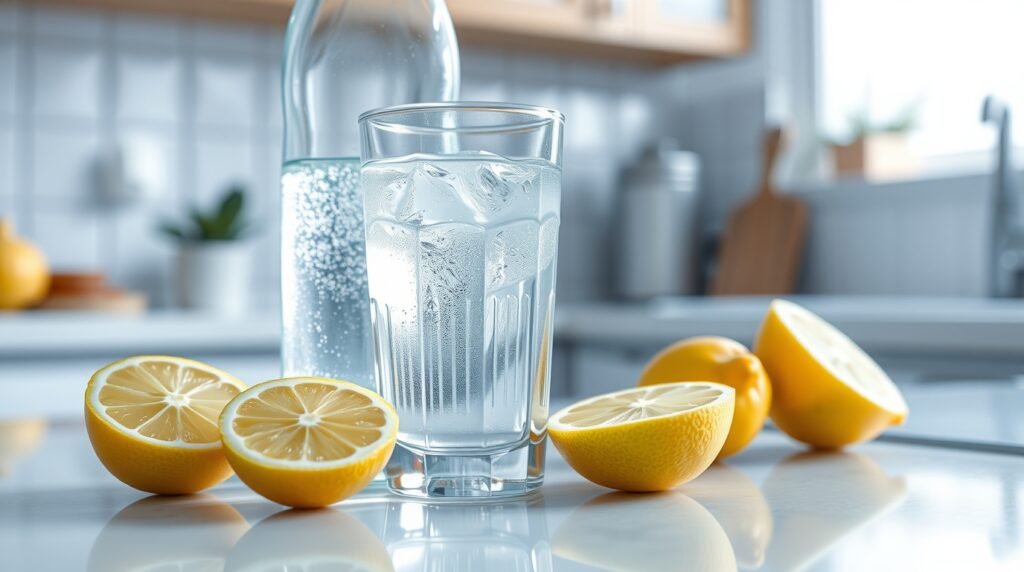
Water is highly underrated when it comes to weight loss, let’s be honest It’s important in losing weight and keeping the body healthy. A lot of people don’t realize how much integral water is to their metabolism, appetite and overall body function. Once you understand how hydration and weight loss are related, that knowledge can be used to gain all the advantages of both without all of the hassles.
60% of your body is water, thus everything in your body and how it operates depends on hydration. You’re body is regulated by how much you are drinking and that includes the ability to break down fat. When you are hydrated, your body is able to do these jobs efficiently. Dehydration, however can cause your metabolism to slow and make you feel like it’s harder to drop those extra pounds.
The Functions of Water in Managing Your Appetite
Hydration also influences your appetite. Sometimes your body thinks it’s hungry when you’re actually just thirsty. One must learn to distinguish between hunger and thirst in order that they do not fall into the trap of unnecessary snacking. Consuming a glass of water before your meal can give you a feeling of being full that may help you to eat less calories. This easy little trick could completely transform the way you eat.
Tips for Staying Hydrated
- Bring a Water Bottle: Keeping a reusable water bottle nearby is a constant reminder to drink more water throughout the day.
- Use Reminders: Set an alarm on your phone or have a timer to inform you that its time to get water in.
- Jazz Up Your Water: If you’re not a fan of plain water, jazz it up a bit by adding some lemon or berries or cucumber to it as flavor.
- Eat Water-Packed Foods: Add cucumber, oranges, and watermelon to your diet. These foods are high in water and can also help keep you hydrated.
Hydration and Energy Levels
Keeping your body hydrated is vital, especially for maintaining energy. Dehydration makes you tired or sluggish, which can reduce your motivation to adhere to healthy choices. Ensuring that you’re drinking enough water can help to stabilize your energy levels, making it easier for you to go about your day and make healthy choices.
But not only that, hydrated joints are lubricated joints, and keeping your muscles healthy. Even when you aren’t working out, your body still needs to function the way it’s supposed to. Hydration helps circulation and nutrient exchange, so that your body is more likely to be recovering and working at its best.
Hydration and Weight Loss Tips
- Track What You Consume: If you struggle to get your H2O down, logging the amount of water you consume can help keep you accountable and on track.
- Drink Water, Especially Before Meals: Drinking water can boost metabolism by 24-30% over a period of 1-1.5 hours, helping you burn off a few more calories. A study showed that drinking half a liter of water about one hour before meals reduced the number of calories people ate during the meal by around 13%.
- Avoid Sugary Beverages: Sodas and juices will lead to excessive calories. Opt for water instead.
- One Meal to Be Replaced by a Smoothie: This is a good method of integrating hydration along with full blown nutrition.
Hydration and Stress Reduction
You may be under stress and that could also affect the success of your weight loss. When faced with stress, we tend to eat emotionally and crave unhealthy food. It also helps to reduce stress by promoting optimal functioning of the brain. Dehydration can cause mood swings and heightened anxiety, so it’s important to stay well hydrated.
Keeping yourself hydrated can help you better handle stress, prevent a tendency to eat your feelings and keep these weight-loss goals in focus. Another idea for the fluid challenged is adding herbal teas or flavoring drops to your water as a calming ritual that will help you take in more liquid.
Maintaining Hydration Supports Healthy Weight loss.
Incorporating these hydration hacks into your everyday schedule, which can make a difference as you continue on your weight loss journey! Staying hydrated helps to reduce appetite, rev up your metabolism, sustain energy levels and simply make you feel good overall. Once you understand and harness the power of hydration, you can make important strides toward reaching your weight loss goals and sustaining them. Make sure you are keeping hydration at the top of your priority list, and with any luck, you’ll start to see some changes in how well you manage your body weight down the road.
Conclusion
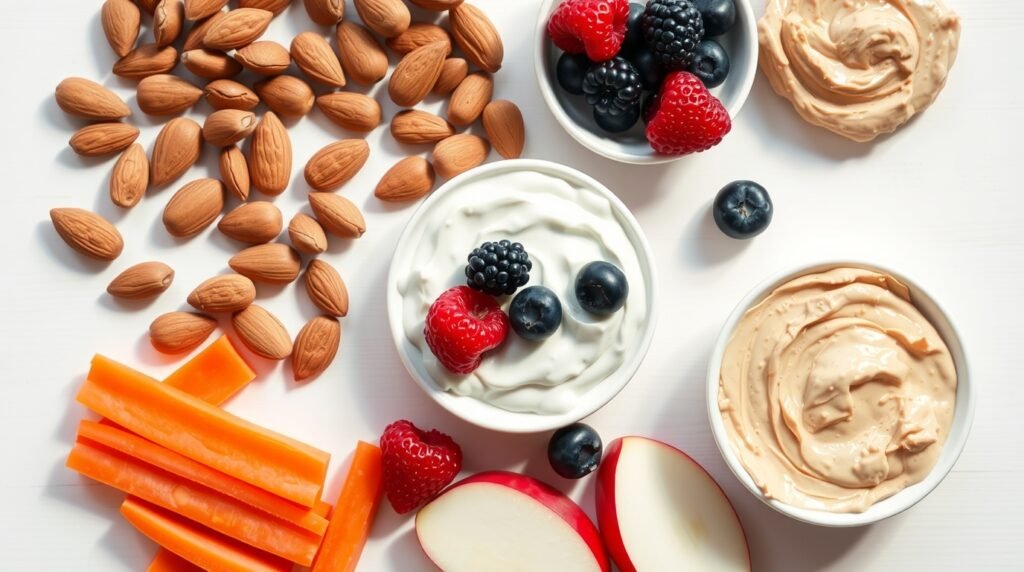
Losing weight isn’t just about hitting the gym, there are many ways to shed some pounds that don’t have anything to do with exercise. It is through nutrition that you can develop a satisfying, balanced diet while delivering to your body the optimal amount of calories to meet your desired weight. When it comes to dishes that incorporate fibers, the key is in focusing on whole, nutrient-rich options while also cutting out processed ones; this is what will give rise to permanent change.
Make a practice of eating mindfully in your schedule and it can also make a big difference in your relationship with food. Learning to eat with attention and mindfulness, showing up during meals and listening to our hunger cues can have a mindful impact on the way we view food, making healthier choices as well overeating.
The importance of sleep, for weight loss that no one ever told you! Quality sleep balances hormones that control hunger and appetite, so you wake up ready to tackle the day, not reach for a candy bar. Proper hydration, in addition to getting enough sleep, carries with it potential benefits for weight loss. Drinking enough water is not just good for digestion, it can help control your appetite so that you don’t consume as many calories.
You can lose weight without working out very hard as long as you follow those techniques. As a reminder, small adjustments here and there to your daily routines can add up to huge long-term results. Concentrate on the combination of nutrition, mindfulness in eating, deep sleep and Hydration that sets you up towards a healthier self. Adopting these lifestyle choices will not only help with weight loss, it will improve your quality of life. It won’t happen overnight, but healthier living is a reward in itself.
1 thought on “How To Lose Weight Loss Without Exercise Fast: Simple 2025 Guide”