
Diet for Esophageal Reflux: Simple Food Swaps That Calm Heartburn
Coping with esophageal reflux is uncomfortable, but you might be able to ease your symptoms through your diet. Order these food swaps to help ease heartburn. Get ready to change your eating habits with our easy exchanges.
Understanding Esophageal Reflux
Gastroesophageal reflux, which most people refer to as “GERD,” is when stomach acid splashes the esophagus. It could result in heartburn and cause discomfort after finishing a meal. Diet changes are one of the most effective ways to control symptoms. Learning what foods to avoid – and which ones to replace them with – is very empowering!
Certain Foods to Avoid and Easy Substitutions
The key to controlling heartburn is knowing what kind of food to eat. The following are some common reflux-inducing foods along with wholesome options you should consider instead:
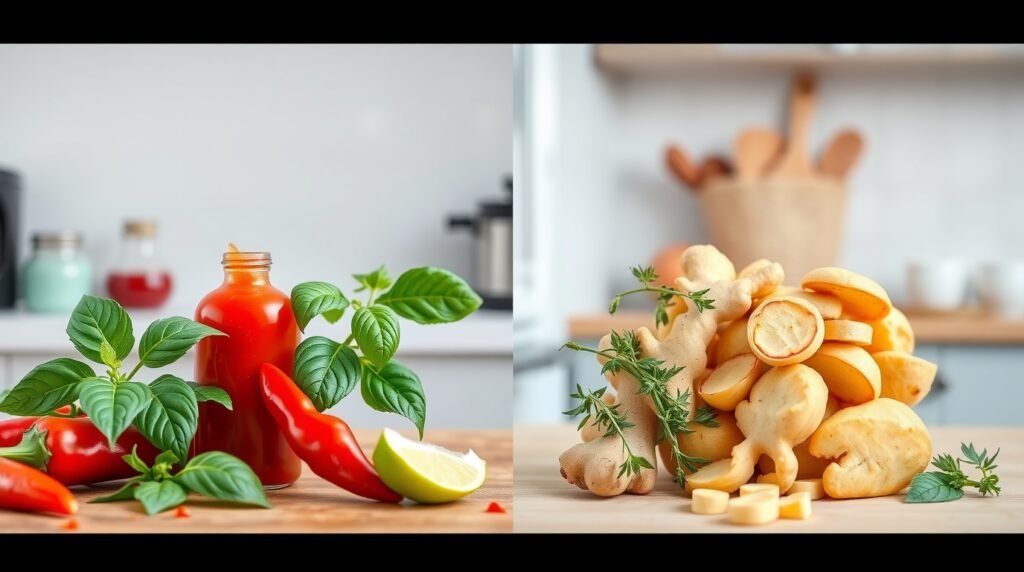
- Hot and Spicy Articles Hre are some alternatives: Hot Foods; Use mild herbs or spices (basil, ginseng or parsley) instead of hot chili and sauces. These can add taste without irritation.
- Citrus Fruits: Stay away from oranges, lemons and grapefruits as these can exacerbate acid reflux. Choose bananas or melons instead. It is good for the stomach and neutralizes the acidity.
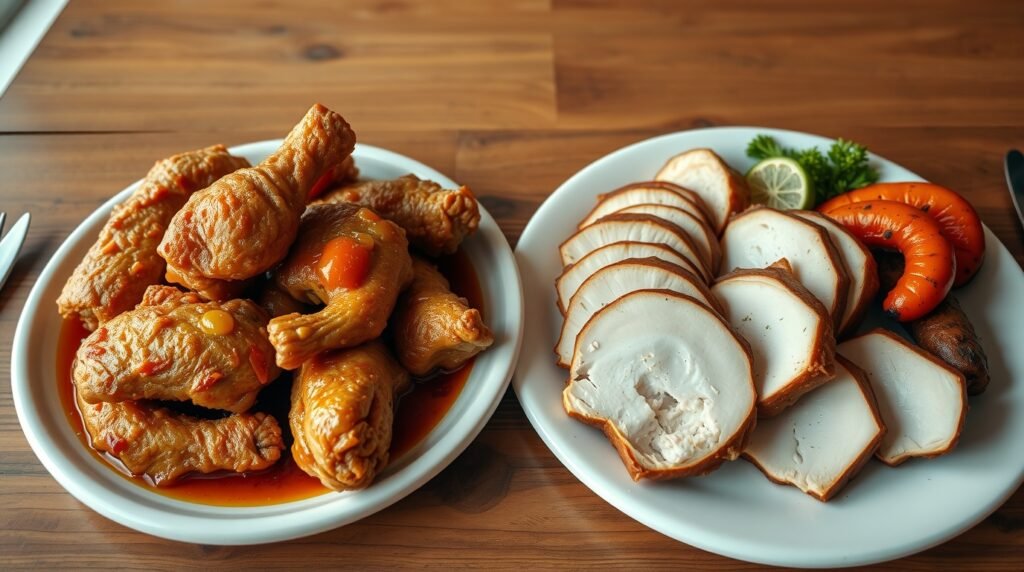
- Fatty Foods: Anything high in fat content except for salad greens can lead to heartburn. Instead, go for some lean proteins such as chicken or turkey and cook them in healthier ways through baking or grilling.
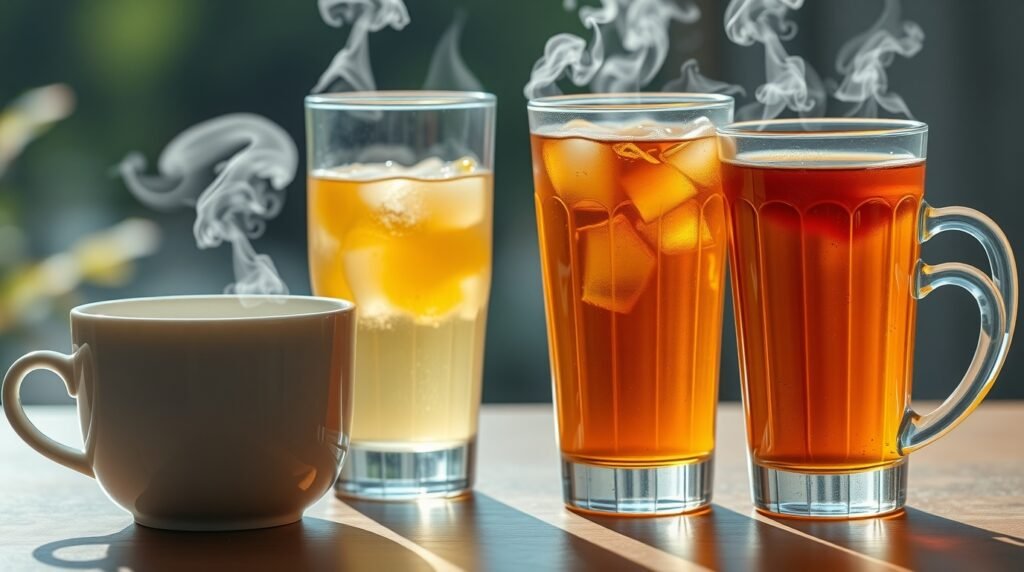
- Caffeine: Avoid coffee and soda as caffeine can relax the esophageal sphincter. Herbal teas, such as chamomile or ginger tea, make excellent substitutes that can be soothing.
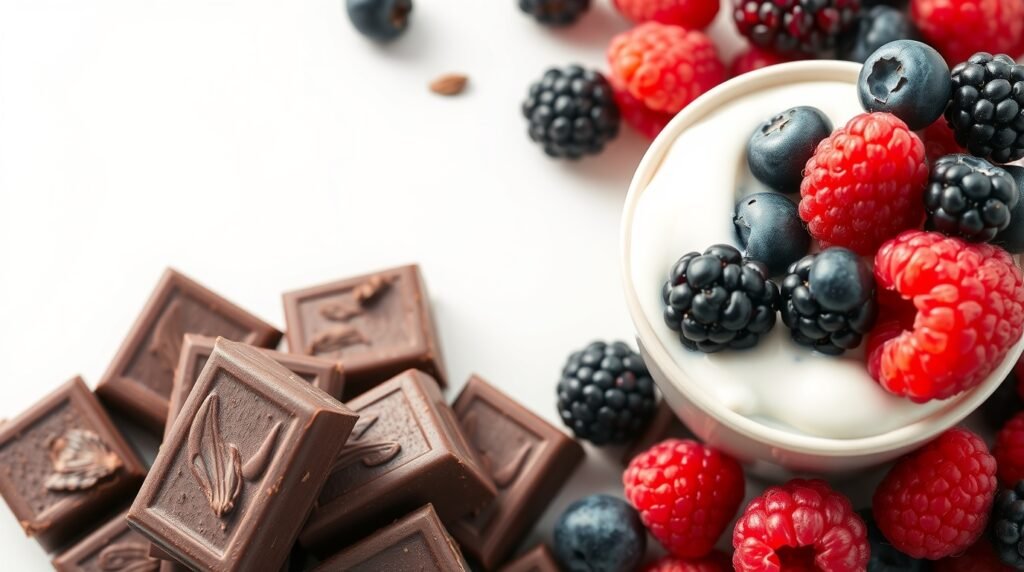
- Chocolate: Chocolate is known to trigger heartburn. Medicate instead with a small amount of yogurt or cup of berries.
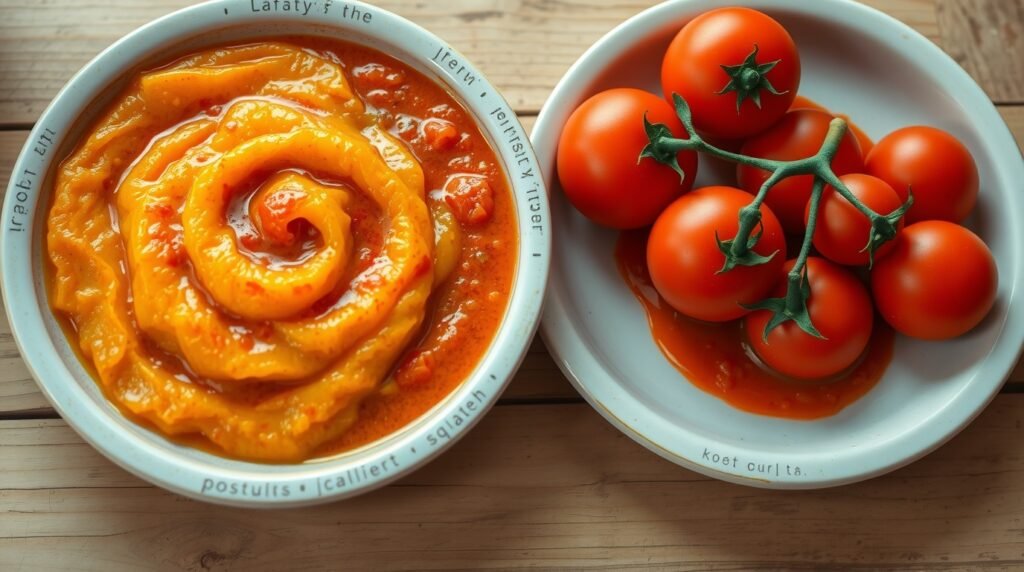
- Tomatoes: Instead of tomato sauce or products, consider a smooth puree made from cooked carrots or squash to provide richness without acidity.
Creating a Balanced Plate
It’s important not only to focus on what you should avoid, but also on constructing a plate that is balanced. Here is how to construct a meal that is delicious and easy for people with reflux to enjoy:
- Whole Grains: Add grainy foods such as oatmeal or brown rice. These complex carbohydrates can absorb stomach acid and provide balance.
- Leafy Greens: Load up your plate with spinach, kale or salad. These greens are low in acid and provide important vitamins to your diet.
- Healthy Fats: Replace butter and creamy sauces with olive oil or avocado. These choices are less likely to cause food reflux and will make conversation more enjoyable at mealtime.
Timing Matters
Another important part of treating esophageal reflux is your diet. You should try to slow down your meals and listen to your body. Here are some tips:
- Nibble during the day instead of eating two or three big meals.
- Don’t lay down right after you eat — take a walk instead.
- You should wait at least 2-3 hours after your meal before you get to bed so that your food is properly digested.
Staying Hydrated
Hydration is important for overall health and can aid in digestion. But be smart how you hydrate:
- Hydrate yourself well throughout the day, but drink as little water as possible during meals to avoid bloating.
- Stay away from carbonated drinks, which may cause bloating and make reflux symptoms worse.
Personalizing Your Diet
All our bodies respond to different foods in different ways so it’s important to also pay attention to what works for you. Then I have them keep a food diary to monitor their eating habits and how they feel. This may empower you to say, “Ah-ha! That must have been the __ component of that dish that caused me symptoms.”
With these easy food swaps and tips to eat mindfully, you might be able to tame heartburn and feel better overall. The basics to managing esophageal reflux are having a well-balanced, mindful diet.
Identifying Triggers of Heartburn and Reflux Symptoms
While the symptoms of heartburn and reflux can be uncomfortable and even disruptive, knowing why they arise is the first step to being able to properly deal with them. There are a number of things that can cause these symptoms and by being aware of them you can make choices that work towards relief.
Common Triggers
If you know what causes heartburn and reflux, then can avoid them. Here are some common culprits:
- Foods: Certain foods are more likely to cause heartburn. Spicy foods, citrus fruits, tomatoes, chocolate and fatty foods make up many of the most common trigger foods on a list. Two, garlic and onions as well can be the problem.
- Drinks: Coffee, alcohol and fizzy drinks can all weaken the LES, allowing stomach acid to seep back into the throat. Acid drinks cause pain too.
- Binging: Eating too much at a time can cause indegestion and higher pressure in the stomach, making it easier for acid reflux to occur. Lighter and more frequent meals may be useful.
- Eating at Bedtime: If you eat bedtime snacks or drink high-acid beverages like soda before lying down, snacking is no longer safe — particularly because laying down shortly after eating is a prime time for heartburn and reflux symptoms to appear. It is a good idea to have meals at least two or three hours before going to bed.
- Smoking: Tobacco diminishes the LES and can worsen reflux symptoms, so giving up smoking is essential for many.
- Stress: A high level of stress can be detrimental for your digest and create excessive levels of acid that could lead to heartburn.
Understanding Your Body
Everyone is different, so triggers differ for everybody. It may also help identify certain foods or other factors that seem to provoke your symptoms. This log may help your doctor note patterns and determine what works to manage the problem.
Another factor could be the way you hold your body and how it affects heartburn. For example, stooping or exercising soon after eating can worsen symptoms. Sitting up straight or giving your body time to digest will help in a big way.
Hormonal Changes
Fluctuations in hormones, such as those during pregnancy, could induce reflux. Hormones can also stretch out the lower esophageal sphincter (LES), which in turn makes it easier for stomach acid to seep out. If you are pregnant and experiencing heartburn, it’s important to talk about dietary approaches with your health care provider.
Managing Triggers
You can manage your diet and lifestyle choices proactively to alleviate your heartburn and reflux symptoms. Here are some practical things you can do:
- Choose Low-Acid Foods: Eat more non-citrus fruits, vegetables, lean meats and whole grains. High-fiber foods can also aid digestion and ease symptoms.
- Hydrate: Water can help with digestion. But try not to eat large quantities during meals so you’re not putting pressure on your stomach.
- Modify your Eating Habits: Eat slowly and chew your food properly. Sidebar : This can help improve digestion and reduce discomfort.
- Control your portion size: Eating less food can put less pressure on your digestive system and decrease the likelihood of heartburn.
When to Seek Further Help
If you are still dealing with a persistent rash or itch even after making healthier choices, it could be time to visit a healthcare provider. They can also identify whether there is an underlying issue that needs to be treated, like gastroesophageal reflux disease (GERD).
The more you know about your body, triggers and signs and symptoms is a must for managing reflux and heartburn. Choose wisely what you eat and how you live, so that it will reduce your discomfort and in addition improve your quality of life. Also, remember that every step no matter how small will push you to be healthier in the long run!
Portion Control in Treating Acid Reflux of the Esophagus
Controlling oesophageal reflux is difficult. A key component in this management is the issue of portion control. The other, more obvious, cause is when you eat too much in one sitting: This can increase the pressure inside your stomach and lead to a greater likelihood of reflux. The rest of your symptoms can be minimized greatly by learning portion control. Here’s how to practice portion control for more trouble-free meals and less discomfort.
The Importance of Portion Control
Portion control Additionally, portion control can decrease reflux risk by decreasing the amount of food in your stomach at a time. When you’ve overeaten, the pressure the excess food exerts can cause your lower esophageal sphincter (LES) to open. This can lead to weakening of the LES and acidic content coming back up into esophagus. And here are some of its primary benefits:
- Decreased pressure on the LES
- Improved digestion
- Quicker satiety signals, making you feel full more quickly.
- Improved control over stomach acidity
- Managing a healthy weight: which may also decrease the risk of reflux.
How to Control Portions Effectively
It’s important to be aware of proper serving sizes when it comes to your food. Here are a few things that could help you reign in your portions:
Use Smaller Plates and Bowls
Use smaller dishes One easy hack: Eat off of salad plates instead of dinner plates. That way you can have the feeling of a plate full — even if it’s just a little bit of food. This can help quell your visual hunger without having to eat more food.
Measure Your Food
For even more precision, try measuring out your food, at least when you first start. Get familiar with portion sizes by using measuring cups and a food scale. This trick may be particularly useful for calorie-dense or highly acidic foods, like snacks and fried foods.
Be Mindful While Eating
Concentrate only on your food. You’ll eat more Mindless eating add calories that you might not even realize you are consuming when chowing down in front of the TV, or while scrolling through your phone. Attempt to be present with your meal by eating slowly and focusing on every sensation. Doing so puts your body in a better position to recognize fullness.
Plan Your Meals Ahead of Time
Planning meals can lead to more manageable portion sizes. Cooking the meals ahead will also help you take control of what goes into your food and how much to eat. That way, you don’t start overeating when unexected hunger strikes.
Choose the Right Foods
Portion control applies to the type of food as well as the quantity. Opt for less-acidic and easily-digested foods. Here are some foods that may be easier on the stomach:
- Lean proteins, like chicken and fish
- Complex carbohydrates, including brown rice and whole grains
- Non-citrus fruits such as bananas and melons
- Green leafy vegetables such as spinach, carrots, and broccoli
- plant based milk as they are less hard to digest.
Snack Smartly
Snack time can lead to higher chances of reflux if not treated correctly. Skip sodas and big bags of chips or snack bars in favor of healthier, portion controlled snacks. Good options include:
- A handful of nuts
- Carrot sticks with hummus
- Greek yogurt with berries
- Rice cakes with almond butter
Stay Hydrated Wisely
Although hydration is essential for good health, it doesn’t mix well with a big meal. Instead, slowly sip water throughout the day to stay hydrated and aid digestion.
Portion control can play a significant role in managing esophageal reflux. By paying attention to what you are eating, planning your meals, and selecting great food choices, you may lower the risk for acid reflux and be more comfortable at the same time. Let’s just say you start small and make minor changes – chances are you’ll still see a substantial improvement.
The Role of Meal Timing and Impact on Heartburn
Heartburn Pain For some heartburn is a painful experience. Although food choices often get most of the attention in managing this condition, when you eat may also have an impact on how you feel. Having a grasp on the significance of meal timing as it relates to heartburn can mean the world of difference in your daily life.
How you eat is as important as what you eat. Missing meals, overeating or eating too close to bedtime can provoke or aggravate heartburn symptoms. It’s also important to fuel your body when it is most ready to receive the food, based on natural health rhythms.
Frequency and portion size are key factors behind meal timing’s effect. Don’t limit yourself to three large meals per day, but instead, eat smaller meals throughout the day more regularly. This can take work off your digestive system and help decrease stomach pressure, as well the likelihood that acid is going to make its way back up into your esophagus. A sample schedule could be as follows:
- Breakfast: 7:30 AM
- Snack: 10:00 AM
- Lunch: 12:30 PM
- Snack: 3:00 PM
- Dinner: 6:30 PM
- Light Snack (optional): 8:30 PM
Consuming smaller meals enables your stomach to digest food more efficiently; this decreases bloating and pressure on your abdomen, which can trigger heartburn. Moreover slowly eating food can be beneficial too, as it helps in digestion. Mindful chewing is the opposite of rushing your meal, which doesn’t give your body a chance to prepare for digestion and can contribute to feelings of discomfort.
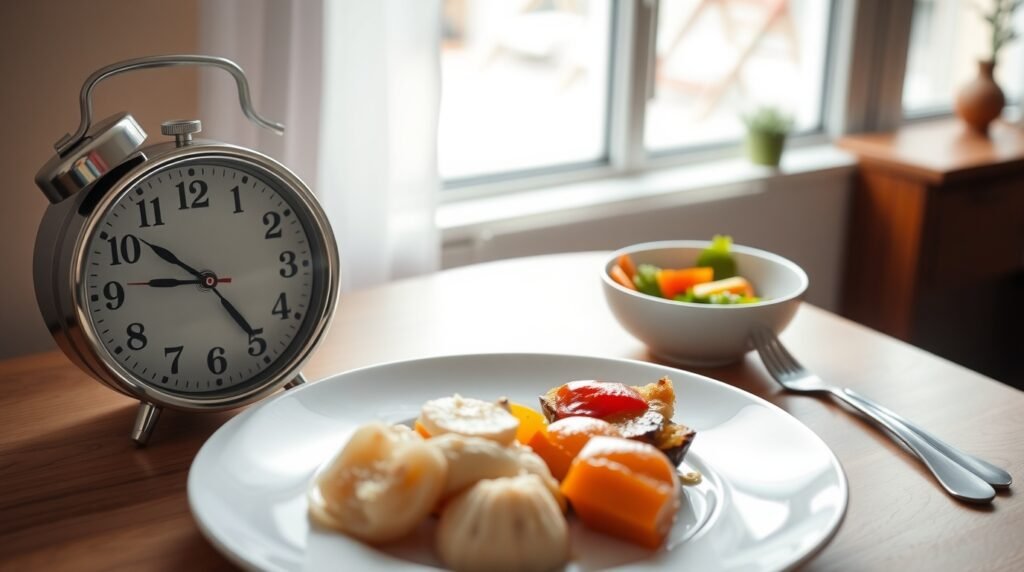
Another consideration to make with meal timing is in regards to when you go to sleep. Eating heavy meals or snacks late at night, literally lying down on a full stomach due to excessive eating and subsequent reflux of acid can result in nighttime heartburn instead. To counterbalance this effect, try to consume your last meal a minimum of two to three hours before bedtime. This gives your body a few hours to digest the food and helps prevent nighttime reflux.
Some foods are more challenging than others to time properly. For example, spicy or acidic foods might be more irritating if eaten later in the day. Alternatively, you can try including gentler, stomach-soothing foods like oatmeal, bananas or yogurt at the start of the day to create balance in your gut. Listen to your body, and keep track of when you get heartburn in the food diary.
Staying hydrated is important, but the where and when of your beverages can also impact heartburn. You might want to try not drinking when you eat. When you drink too much, it could cause stomach volume to expand more and put stress on the lower esophageal sphincter. Instead, focus on staying well-hydrated between meals rather than during them.
Take into account the wisdom of your body’s inherent rhythms. We eat best when we do so in harmony with our circadian rhythms. Eating during the sunlight hours corresponding to your body’s energy patterns, may help break down food more easily so that your waiting hungry organs don’t secrete excess acids. Snacky snacking can lead to heartburn: Honor your body’s internal rhythm; don’t eat just because the clock says to.
Remember, however, that these are broad recommendations. How people respond to meal timing can differ considerably. Maintaining a food diary including when you eat and the subsequent symptoms may give you insight that is specific to your body. You might find that modifying when you eat makes a bigger difference than you thought.
Heartburn control is as much a function of diet and meal schedule as it is medication use. With a combination of eating and drinking at the right time, in proper quantities, and with certain foods, you can devise your own plan to minimize pain. With some regular practice, meal timing can be one weapon in your ongoing battle against heartburn.
Herbal Remedies for Gerd -Tapping Into Plant Power for Reflux Relief
Esophageal reflux can cause pain and misery. Many take over-the-counter medications to try to relieve heartburn symptoms. Though effective, they can have side effects. As a result, many people are now searching for herbal remedies as a more natural way to seek relief by discovering the healing properties of plants. Read on to learn about some herbs that soothe these discomforting symptoms while offering up a few effective ideas for wellness along the way.
Ginger is among the top recommended herbs for indigestion. As a natural anti-inflammatory, ginger can coat your stomach and help alleviate inflammation that leads to acidity and bloating. Actions: You’ll find a way to add fresh ginger to your diet by preparing ginger tea or including it into your favourite dishes. Hell, a basic ginger ale (if you’ve got the kind made with real ginger) can work wonders for your belly.
Dandelion Another herb that many people find helpful is chamomile. This calming, soothing herb can help break down gas and bloating when you’re stressed (stress is also known to exacerbate reflux), while helping calm the digestive system. A little chamomile tea each night may also help ease digestion and is less likely to cause heartburn than stronger teas, as it has a mild taste and is soothing to the stomach.
Another old-school remedy traditionalists swear by is licorice root for relief of reflux symptoms. It does so by stimulating the secretion of mucus in the stomach, protecting it from acid. Licorice root is available in tea or supplement form. Yes, but for And watch out, if you have high blood pressure or it can be potentially dangerous.
Slippery elm is of special interest because of its unusual texture. This plant has some mucilage so when you add water, it turns into a gel. This gel can line the mucous membranes of the esophagus, helping to lubricate and sooth irritated tissues. Taking slippery elm in powder form or lozenge can be beneficial for the pain of reflux.
Fennel Like its licorice-tasting cousin, the fennel seed, fennel is a classic digestive aid in herbal medicine. It may also help relieve bloating and gas, which can lead to uncomfortable bouts of acid reflux. Fennel tea can be a great way to consume this herb, or use fennel seeds in cooking as well to get the best out of them.
Other notable herbs include peppermint and aloe vera. Peppermint can cause symptoms in some people, but for others, relieve them. Always pay attention to the way your body reacts with some herbs. Although somewhat combat the Aloe vera juice can help as it is a highly acidic digestive aid that works wound-erfully at calming an angry esophagus and stomach lining down, helping to degrade inflammation brought on by acid reflux.
- Ginger: Brewed as a tea, for calming the digestive system.
- Chamomile: A soothing tea that soothes anxiety and aids digestion.
- Licorice Root: to stimulate mucus production and protect the lining of the stomach.
- Slippery Elm: Coats the esophagus and adds a protective layer.
- Fennel: Aids in bloating and gas reduction; tasty added to tea or meals.
- Peppermint: Potential relief for some; use with caution.
- Aloe Vera: Eases esophageal irritation; ingest small amounts.
As with any herbal remedy, you’ll want to consult a healthcare professional before adding it to your routine –— particularly if you are already taking medication or have underlying health conditions. Every body is different, and what you think will work for you may not be the thing that’s best for your health.
It doesn’t have to be hard to incorporate herbal remedies into your life. Minor changes in your daily routine like drinking herbal tea or eating the herbs can have huge health pay outs. These herbs don’t just boast soothing properties, but they also draw attention to a more natural way of living – reminding you listen to your body and take care of it.
Last, but certainly not least – listen to your body and find out what works best for you. But esophageal reflux symptoms don’t have to make you miserable with the proper supportive herbal friends, patience and dedication, relief is within reach.
Conclusion
Simple changes in your diet can relieve your esophagael reflux and heartburm. Knowing the triggers of such symptoms is key—ardent offenders are spicy foods, citrus fruits, tomato products and fried fare. Replace them with healthier alternatives such as bananas, oatmeal and lean proteins so those delicious dishes still make it past your taste buds without triggering an attack of acid reflux.
Doing portion control is also crucial in symptom relief. Consuming smaller amounts of food may be the best way to avoid an overly full stomach, which puts pressure on the lower oesophageal sphincter (LOS), causing it to open. Additionally, meal timing is important as well so make sure your last meal isn’t right before you sleep. Eating at least a couple of hours before bedtime may help avoid nighttime symptoms.
BOTANICAL-analgesia:HERBS Many low back pain patients can’t cut out the spice like time from their busy lives here’s a solution. Ginger tea, chamomile and slippery elm are natural remedies that can work with your meal plan. These choices not only improve your meal, they promote good digestive health overall.
So eat your food more slowly, chew your food better and try eating smaller amounts of food at each meal (eating a few big meals is much harder on your esophagus than snacking every two hours if you can deal with the constant craving for something in your mouth). Every easy food swap makes mealtime a whole lot easier, enabling you to eat your favorite foods without worrying about heartburn. Patience, consistency and the following practical tools can help you find some relief—and regain your quality of life.
1 thought on “Diet for Esophageal Reflux: What to Eat and What to Skip”